


Houston Home Inspection: What Every Homebuyer Should Know Before Closing
You spend your entire life savings on a beautiful ranch house in Sugar Land. You move in, throw a housewarming party, and then notice a hairline crack in the hallway ceiling. By the next month, that crack is wide enough to fit a nickel inside.
This is the reality for many who skip a detailed Houston home inspection.
Buying a home is the biggest purchase you will ever make. This guide shows you how to spot the red flags that are unique to the Texas Gulf Coast. It will save you from a five-figure repair bill after you close the deal. You will learn exactly what to ask your inspector and how to protect your family.
The Problem With Houston Gumbo Soil
Houston sits on a thick layer of expansive clay often called gumbo soil. This dirt acts like a giant sponge. When it rains, the soil swells and pushes against your foundation. When we have a dry summer, the soil shrinks and pulls away.
This constant movement can snap a concrete slab in half. That is why many homeowners in the Houston area face foundation repairs that cost thousands of dollars.
Why the 2021 Freeze Still Matters
You likely remember the historic freeze that crippled the Texas power grid. Thousands of homes suffered from burst pipes and flooded interiors. While most people patched their drywall, many did not fix the underlying issues. Hidden mold can still grow behind those new walls.
A qualified Houston home inspector looks for signs of past water damage that may have been quickly covered up. They check for moisture levels in the walls using specialized tools. This ensures you are not moving your kids into a house filled with toxic spores.
Termites Love The Humidity
Houston has a tropical environment for most of the time. This heat and moisture create the perfect home for Formosan termites. These are not your average wood eaters. They can eat through a standard home structure much faster than native species.
A standard home inspection in Houston often includes a look for these pests. You want to see if the seller has a transferable termite bond. If the house has a history of infestation, you need to know before you sign those closing papers.
The Post-Harvey Building Standards
Hurricane Harvey changed how we look at real estate in Southeast Texas. It was a wake-up call for developers and city officials. The City of Houston updated many building codes to help prevent future flood damage.
Your inspector will check if the home meets current elevation requirements. They also look at the drainage patterns on the lot. If the water flows toward the back door instead of the street, you have a major problem.
Poor drainage can quickly lead to rot in the sills and joists.
What Happens During Your Houston Home Inspection
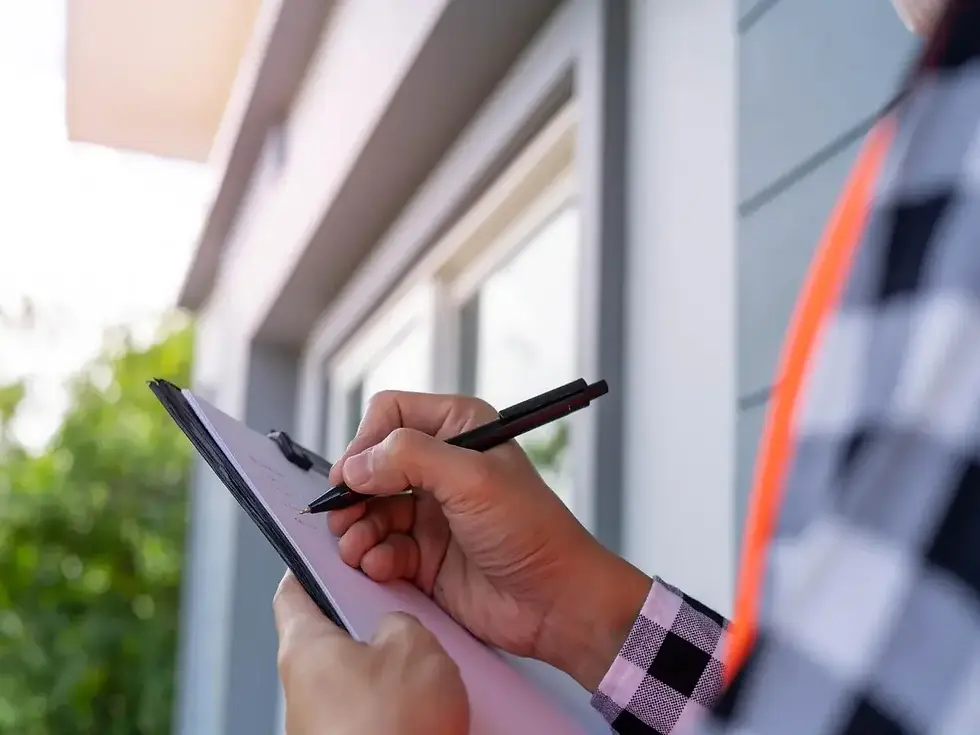
When your inspector arrives, they start from the top and work their way down. They will climb on the roof to look for hail damage. Frequent storms can bruise shingles and lead to leaks that you cannot see from the ground.
Next, they check the electrical panel for outdated breakers. Some older brands, like Federal Pacific, are known fire hazards in older Houston neighborhoods.
The inspector also tests every outlet to ensure the wiring is grounded. They will run the dishwasher, the oven, and the air conditioning system. In our 100-degree summers, a dying AC unit is a total dealbreaker.
Real World Story: The Hidden Pipe Crisis
Houston has long had problems with copper pipe corrosion, especially pinhole leaks caused by internal pitting. Multiple plumbing and repiping specialists serving Houston describe copper pipes being attacked internally by water chemistry, resulting in thinning walls and leaks that appear to come from the inside out. They specifically cite chloramines, mineral content, and local water conditions as contributors
A sharp Houston home inspector knows which neighborhoods have these specific plumbing issues. They can warn you if the home contains materials prone to failure. This kind of local knowledge is something an AI or a generic checklist cannot give you.
Why You Need a Local Expert
It is tempting to hire the cheapest person you find online. However, an affordable Houston home inspection is often rushed.
You want someone who spends three to four hours looking at every nook and cranny. They should provide a report with clear photos and explanations.
Ask your inspector if they use thermal imaging cameras. These tools see heat signatures that reveal missing insulation or electrical hot spots. This technology is essential for detecting leaks in walls without tearing them down.
Make the Right Choice for Your Houston Home Inspection
Getting a professional look at the property gives you the upper hand in negotiations. If the inspector finds a bad roof, you can ask the seller to replace it.
If they find foundation trouble, you can walk away before you lose your earnest money. You deserve to move into your new place with total confidence. Knowledge is the only thing that stands between a great investment and a total nightmare.
Take the time to find a professional who understands the unique challenges of the Texas landscape.
When you are ready to move forward with your purchase, contact Bryan & Bryan Inspections. We are a professional home inspection company dedicated to protecting Houston families. Our team provides the deep insights you need to make a smart, safe decision on your new home.


