Why a Home Inspection in San Antonio Is Essential for Buyers & Sellers
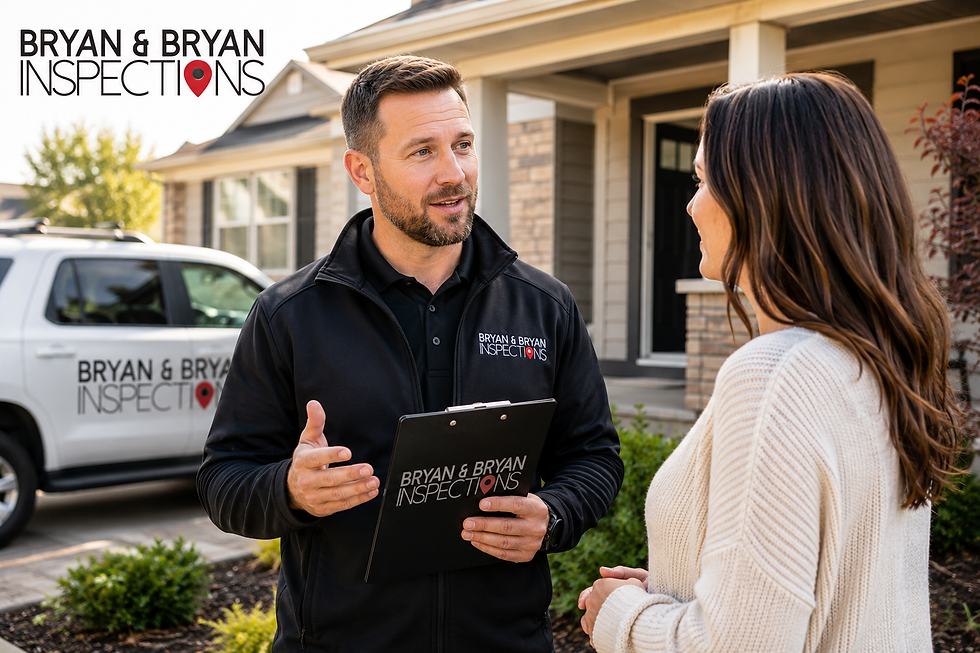
A home inspection reveals hidden property issues like foundation movement, roof damage, and worn-out air conditioners. An inspection report helps buyers make a better decision. Meanwhile, it gives sellers a chance to fix problems early so the home closes faster.
Buying or selling a home in Alamo City is a massive milestone. San Antonio has a booming real estate market, with gorgeous historic homes in King William, sprawling ranch properties in Helotes, and brand-new builds going up around Stone Oak. But beneath freshly painted walls and gorgeous limestone finishes, every house has a story.
San Antonio has unique soil conditions, intense summer heat, and unpredictable storm seasons that can take a heavy toll on a building over time. Whether you are placing an offer on your dream property or getting ready to list your current place on the market, getting a professional home inspection in San Antonio is the best way to protect your money.
The San Antonio Factor: Local Property Challenges
Houses in Central Texas face environmental conditions that homes in other parts of the country don't. A local home inspector knows exactly what to look for based on the specific regional climate and geology.
According to the Texas Real Estate Commission (TREC) Consumer Information, licensed inspectors in Texas must follow strict standards of practice to evaluate all major systems in a residential property.
Here are the big regional issues local inspectors look for during an evaluation:
Issues | What Causes It | Potential Impact |
Foundation Movement | Shrink-swell clay soil around Bexar County | Cracked drywall, sticking doors, uneven floors |
Roof & Attic Damage | Extreme summer heat and spring hail storms | Baked shingles, hidden roof leaks, high energy bills |
Termite Damage | Warm, humid climate that pest colonies love | Hollowed wooden framing and joists |
Outdated HVAC Systems | Air conditioners running hard 8+ months a year | System failures during peak 100°F heat waves |
Why Homebuyers Cannot Afford to Skip an Inspection
When you find a house you love, it is easy to get caught up in the excitement. You are already picturing your furniture in the living room and planning backyard barbecues. But skipping an independent check can turn that excitement into a financial nightmare.
Spotting Unseen Safety Hazards
Inspectors check the things you cannot easily see during an open house. They test electric panels for outdated wiring, check gas lines for subtle leaks, and verify that water heaters are safely vented.
Gaining Crucial Real Estate Leverage
If an inspector finds a roof near the end of its life or a faulty HVAC unit, you can ask the seller to make repairs before closing or credit you money toward your closing costs.
Budgeting for Future Repairs
An inspection gives you a clear road map of your new home. Even if issues are not dealbreakers, knowing your water heater is ten years old lets you save money for a replacement before an emergency happens.
Why Home Sellers Should Get an Inspection First
Most people think inspections are only for buyers. However, many smart homeowners in San Antonio book a pre-listing check before putting up the "For Sale" sign. Getting an evaluation done ahead of time gives you total control over the selling process:
No surprise deal-killers: Finding out your foundation has issues through the buyer's inspector right before closing can ruin the sale. Knowing beforehand lets you fix it on your own timeline.
Faster, smoother closings: When buyers see you have already inspected the home and addressed minor repairs, they feel confident making strong, fast offers.
Accurate pricing: Knowing the true condition of your roof, plumbing, and structure helps you and your real estate agent set a fair, competitive listing price.
What Happens During a Standard Inspection
A typical walkthrough takes between two and four hours depending on the size and age of the property. Inspectors climb into attics, crawl under subfloors, and test every accessible outlet and fixture.
Exterior and Foundation Walkthrough: The inspector examines the roof shingles, gutters, exterior siding, drainage paths away from the house, and the concrete slab or pier-and-beam foundation.
HVAC, Plumbing, and Electrical Systems: They turn on the air conditioner and furnace, test water pressure and hot water temperatures, look for pipe leaks under sinks, and check the circuit breaker panel.
Interior and Attic Review: The inspector tests doors and windows, inspects attic insulation levels, and looks for signs of roof leaks or structural sagging above living areas.
How to Choose Among Home Inspection Companies in San Antonio
Not all inspectors offer the same level of service. When shopping around among local home inspection companies in San Antonio, keep these simple tips in mind to make sure you get the best professional for the job:
Verify the certification: Always make sure you are getting services from a Certified Master Inspector.
Ask about extra services: Many local properties need specialized checks. Ask if the company offers thermal imaging, sewer scope inspections, or termite clearance reports (WDI reports).
Read sample reports: A good inspector sends you a detailed, easy-to-read digital report packed with clear photos and plain-language descriptions within twenty-four hours.
Attend the walkthrough: Choose a friendly inspector who encourages you to attend the last thirty minutes of the inspection so they can show you their findings in person.
Taking the time to get a thorough, professional evaluation means you can buy or sell your next San Antonio property with complete confidence.
Make Confident Decisions During Real Estate Transactions
Whether you are buying or preparing to sell your property, an inspection helps you to make the right financial decisions. A professional home inspection informs you about the real condition of the home.
Schedule your inspection with Bryan & Bryan Inspections. Our licensed inspectors give you clear answers and detailed photo reports you need to negotiate when buying or selling.